May 12, 2026
Choosing the right siding material for your home isn't just about curb appeal. It's a decision that affects durability, maintenance, energy efficiency, and long-term costs. With so many options available, homeowners often feel overwhelmed trying to weigh the pros and cons of each material. That's where working with experienced siding contractors can make a real difference. They can guide you toward a solution that fits both your home and your lifestyle.
Let's break down four of the most popular siding materials: vinyl siding, wood siding, composite siding, and fiber cement siding. Whether you prioritize low maintenance, natural aesthetics, or long-term durability, understanding these materials will help you choose the right fit.
Vinyl Siding: Affordable and Low Maintenance
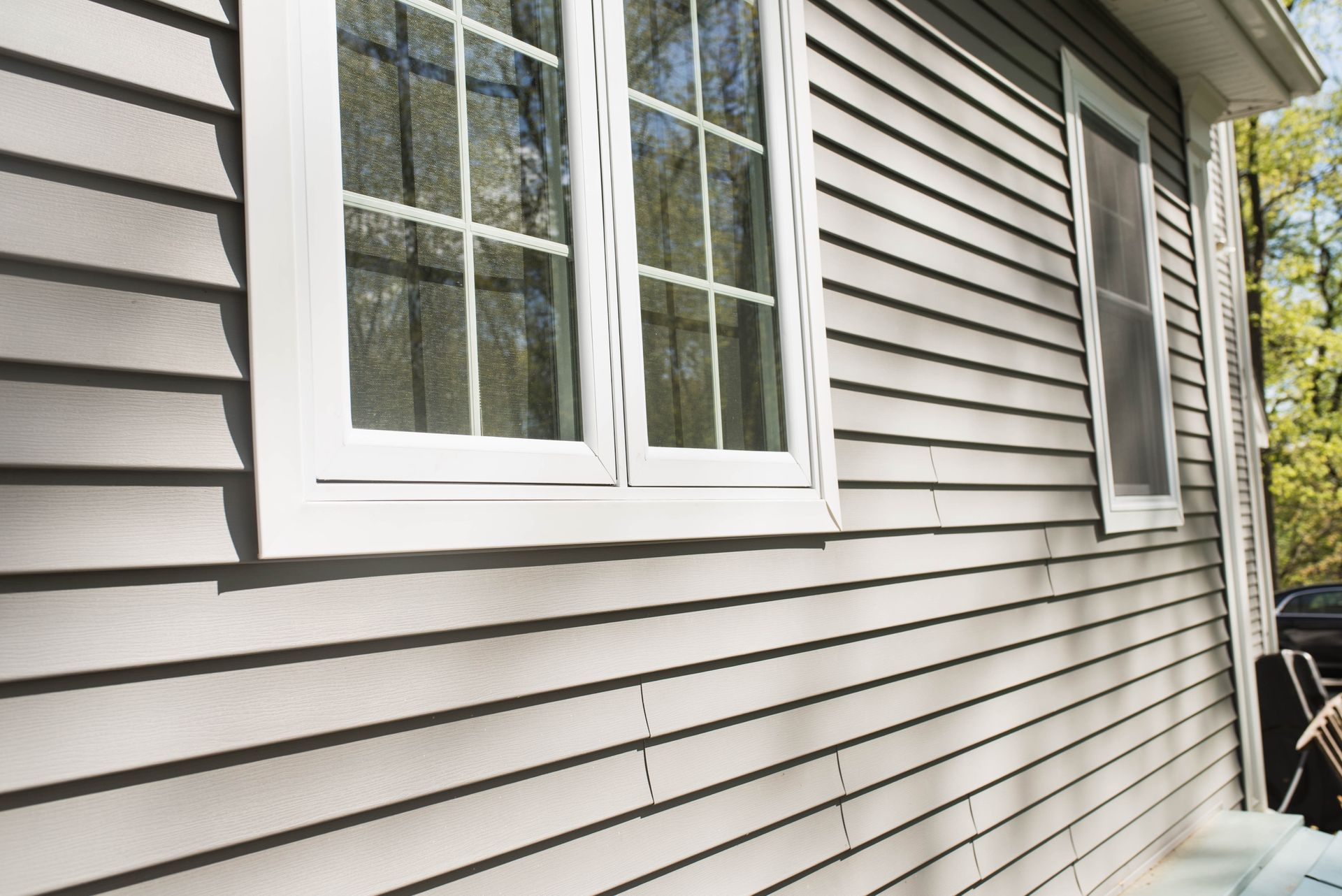
Vinyl siding is one of the most popular choices among homeowners, largely due to its affordability and ease of maintenance. It's made from durable PVC material and comes in a wide range of colors and styles.
One of the biggest advantages of vinyl siding is that it requires very little upkeep. Unlike wood, it doesn't need to be painted or stained. Occasional cleaning with soap and water is usually enough to keep it looking fresh. This makes it an attractive option for homeowners who want a hassle-free exterior.
Vinyl siding is also resistant to moisture and pests, which helps extend its lifespan. However, it can be susceptible to cracking in extremely cold temperatures and may fade over time with prolonged sun exposure.
Many siding contractors recommend vinyl siding for homeowners who want a cost-effective solution that still offers decent durability and visual appeal. It's especially appealing for those who want a wide range of color and style options without significantly increasing their budget. Because vinyl siding is manufactured in various textures and profiles, it can mimic the look of more expensive materials while remaining easy to install.
Wood Siding: Classic Beauty With Higher Maintenance
Wood siding is known for its timeless, natural appearance. It adds warmth and character to a home that's hard to replicate with synthetic materials. For homeowners who value aesthetics above all else, wood siding is often the top choice.
However, this beauty comes with a trade-off: maintenance. Wood siding requires regular upkeep to protect it from moisture, rot, and insects. According to This Old House, wood siding typically requires repainting every seven to 10 years. This ongoing maintenance is something homeowners need to plan for when considering this material.
In addition to repainting, wood siding should be inspected regularly for signs of damage. Cracks, warping, or peeling paint can lead to more serious issues if left unaddressed. Moisture intrusion is one of the biggest concerns, as it can cause rot and compromise the structural integrity of the siding over time. Homeowners should also watch for signs of insect activity, such as termites or carpenter ants, which can further damage the wood. Many siding contractors recommend scheduling routine inspections, especially after severe weather, to catch and address minor issues before they turn into costly repairs.
Despite the upkeep, many siding contractors still recommend wood siding for its unmatched aesthetic appeal and ability to increase a home's value when properly maintained. Its natural grain, texture, and warmth create a high-end look that's difficult to replicate with manufactured materials, making it especially desirable for historic homes or properties with traditional architectural styles. Wood siding can also be customized through different stains, paints, and finishes, giving homeowners more control over the final appearance. When cared for consistently, it can age beautifully and even develop character over time. Siding contractors often note that buyers are willing to pay a premium for homes with well-maintained wood exteriors, which can make the added maintenance effort worthwhile in the long run.
Composite Siding: A Balanced Alternative
Composite siding is designed to offer the best of both worlds. It combines wood fibers with resins or polymers to create a material that mimics the look of wood while improving durability and reducing maintenance.
One of the main benefits of composite siding is its resistance to moisture, rot, and pests. Unlike traditional wood, it doesn't require frequent repainting or sealing. This makes it a practical choice for homeowners who want a wood-like appearance without the high maintenance demands.
Composite siding is also known for its durability. It can withstand harsh weather conditions better than many natural materials, making it a reliable option in a variety of climates. In addition to its strength, it's engineered to resist common issues like warping, swelling, and cracking, which can occur with traditional wood products. This added stability maintains its appearance over time, even in areas with significant temperature fluctuations. Many siding contractors also highlight its ability to retain paint and finishes longer, reducing the need for frequent touch-ups and helping homeowners save on maintenance costs over the long term.
Siding contractors often suggest composite siding for homeowners who want a balance between aesthetics and practicality. While it may cost more upfront than vinyl, the reduced maintenance needs can make it a cost-effective option over time. It's also a versatile choice, available in a variety of styles, colors, and finishes that closely replicate the look of natural wood without the same level of upkeep. Many siding contractors note that its long lifespan and resistance to common issues like moisture damage help homeowners avoid frequent repairs, adding to its overall value. For those looking to invest in a material that delivers both performance and curb appeal, composite siding is often seen as a smart middle-ground option.
Fiber Cement Siding: Durability and Versatility
Fiber cement siding is another popular choice, especially for homeowners looking for long-term durability. Made from a mixture of cement, sand, and cellulose fibers, this material is designed to withstand extreme weather conditions.
One of the standout features of fiber cement siding is its resistance to fire, moisture, and pests. It's also less likely to warp or crack compared to other materials. This makes it a strong option for homes in areas with harsh climates. Its dense composition allows it to hold up well against heavy rain, strong winds, and even hail, which helps protect the structural integrity of the home over time. Many siding contractors also highlight that fiber cement maintains its appearance for years with minimal fading, making it a dependable choice for long-term curb appeal. Because of this combination of strength and stability, it's often recommended for homeowners who want a low-maintenance but highly durable exterior solution.
Maintenance requirements for fiber cement siding are relatively low. It typically only needs repainting every 10 to 15 years, depending on environmental conditions. This longer maintenance cycle can save homeowners time and money over the life of the siding.
In terms of appearance, fiber cement siding can mimic the look of wood, stucco, or masonry, offering versatility in design. Many siding contractors recommend it for homeowners who want a durable, long-lasting material without sacrificing style.
Choosing the right siding material for your home is a decision that requires careful consideration. From the low-maintenance appeal of vinyl siding to the natural beauty of wood, the balanced performance of composite siding, and the durability of fiber cement siding, each option offers unique benefits. The key is to align your choice with your priorities, whether that's cost, maintenance, durability, or aesthetics. By working with experienced siding contractors at MLC Builders, you can gain the insight and expertise needed to make a confident decision. Reach out to us today to get started with a fast, free estimate.